- Mar 13
Data Prep for FISERV DNA
- Baba Majekodunmi
- FISERV DNA
- 0 comments
The Fiserv DNA core banking system is perhaps the most popular system within the Small to Medium Sized Banking & Credit Union industry. Where did it come from? Why is it so popular today? What does data preparation have to do with it? Let’s answer these questions…
Open Solutions Inc (OSI)
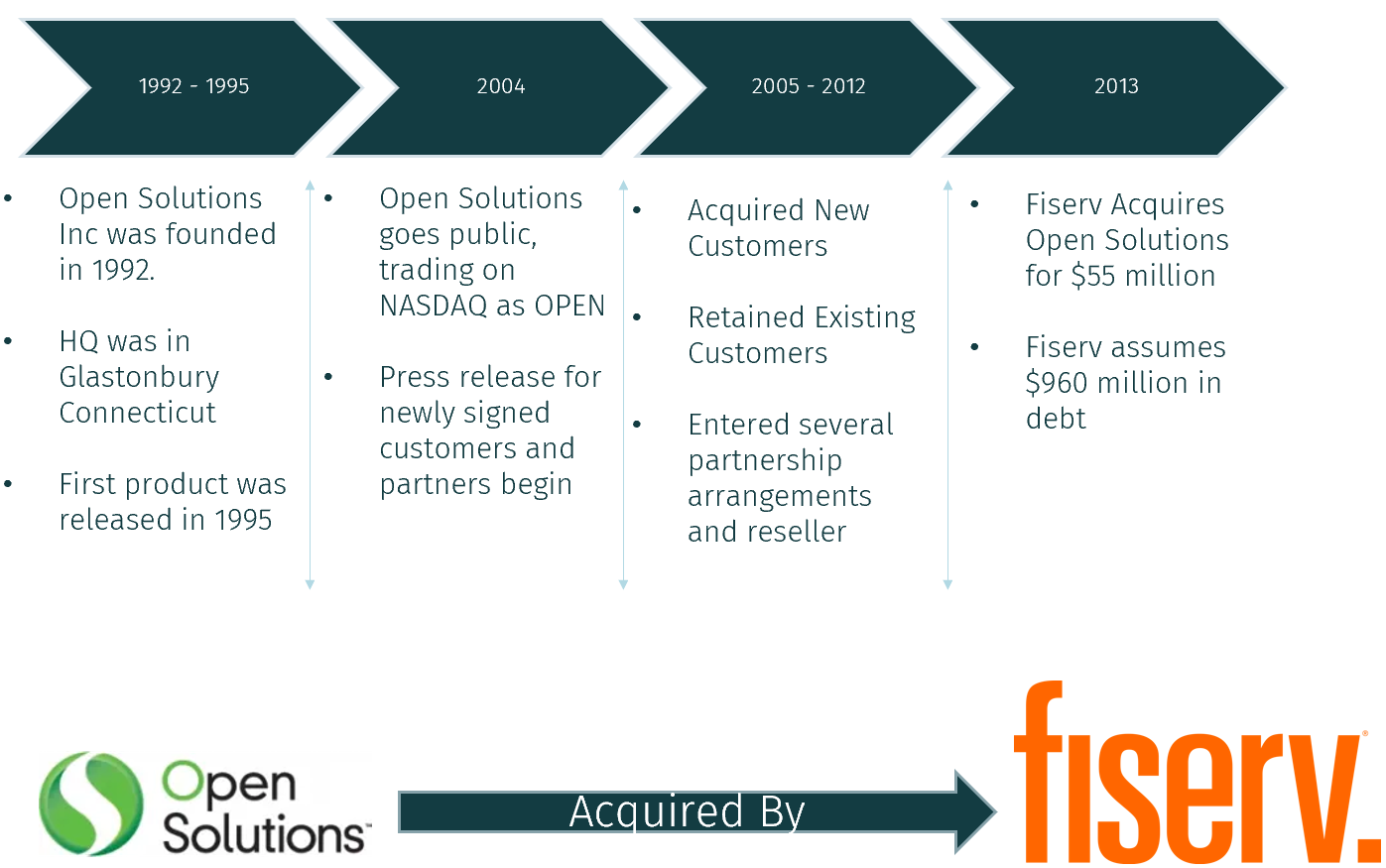
Open Solutions Inc was a core banking vendor based in Glastonbury Connecticut. The company was incorporated in 1992 and launched their first product in 1995.
Open Solutions sought to solve multiple problems for retail financial institutions that were $20Billion in assets and below. These financial institutions were facing increased competition from non-traditional companies, increased pressure to run their business operations efficiently, the need to deliver more personalized experiences to their customers, and to defend themselves against the commoditization of traditional products. Sound familiar?
Their answer to these challenges was to create “integrated, open, flexible, customer-centric and efficient information technology solutions”. At the time, most core banking systems were quite the opposite. The were closed, proprietary, and were expensive to customize.
They built a core banking solution upon an Oracle Relational Database with an open architecture and called the product TCBS: “The Complete Banking Solution” for Banks, and TCCUS: “The Complete Credit Union Solution” for Credit Unions. Eventually they changed the name to DNA which I believe stands for “Digital Network Architecture”.
It’s been somewhat difficult to figure out who their first customer was, but one of their early customers was BECU based in Washington State which implemented the solution in 2002. Overtime they acquired more customers year after year, expanded into the Canadian market and overseas in Asia.
To keep the story brief, as it is difficult to do it justice in a blog post, the company faced many challenges in generating a profit. In 2006 they were acquired by private equity firms Carlyle Group and Providence Equity Partners for $1.3 Billion. And then in 2013 they were acquired by Fiserv for $55 million, and Fiserv assumed $960 million in debt.
Despite these challenges OSI succeeded in creating a proven solution that had been implemented by 800 banks and credit unions at the time Fiserv acquired them.
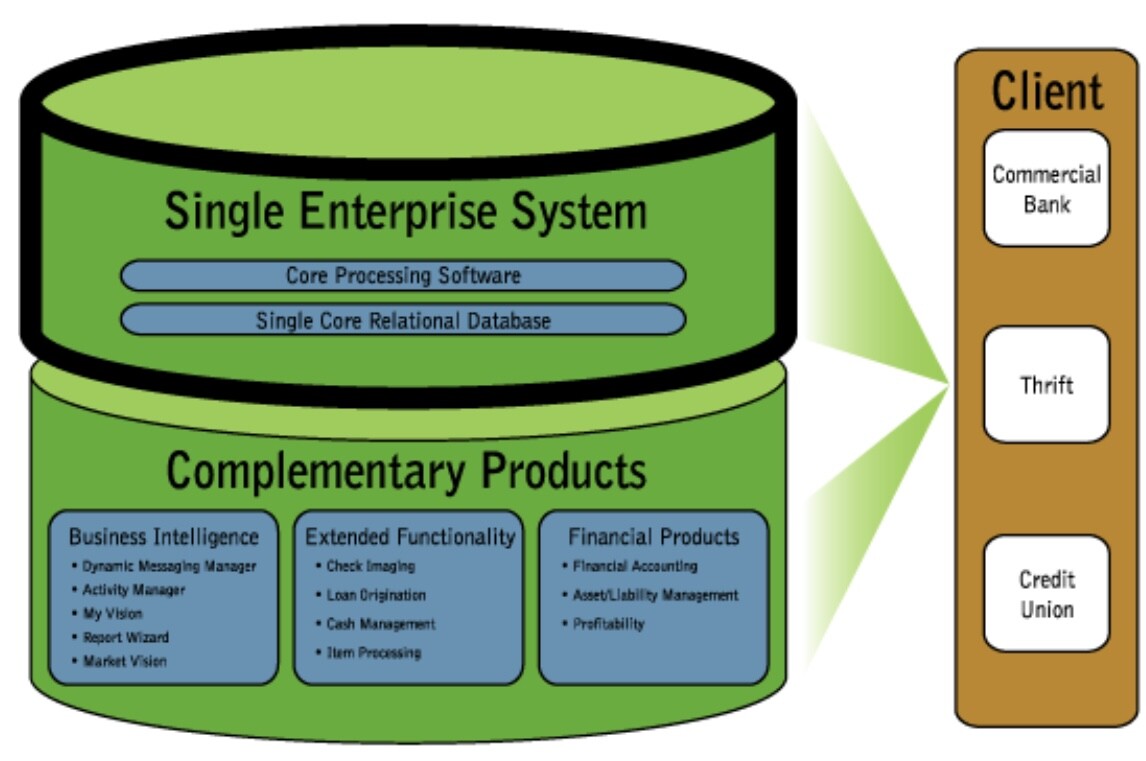
From Open Solutions SEC filling of their IPO in 2003
Data Preparation for Fiserv DNA
What does this have to do with data preparation? Well, if you haven’t read my earlier blog posts where I covered the DXC HOGAN and FIS MISER core banking systems, I’ll summarize it here.
Fiserv DNA, and all core banking systems have a lot of data across different modules that is available in different formats: accessing it directly from the database, via a business intelligence application like CRMBI/DNA Publisher, or via Standard (or Customized) Reports.
This data is critical to running business operations and strategic initiatives. To paraphrase a quote from one Senior IT executive at a Financial Institution “If we don’t have access to the data within our core banking system we literally cannot operate the bank”.
The ability to efficiently and effectively gather, clean and combine data from the different aforementioned data sources is therefore not a trivial matter. It can be the difference between simply being a going concern vs gaining a competitive edge over competitors, or providing lackluster experiences to customers vs true personalized experiences.
Standard Reports
In particular, Standard Reports within a Core Banking system tend to be extremely valuable, and there are over 200 of these reports in Fiserv DNA. First of all, they have already been created by the vendor to address common problems. In other words, the vendor has invested significant resources and subject matter expertise to create them. Additionally, these reports are available on a scheduled and timely basis, meaning a business user does not have to wait on IT. Lastly, these reports are the unadulterated truth, representing activity that has taken place directly in the core system which can be used for critical accounting operations, customer account related activities, as well as audit and compliance procedures.
MM_ACTV
Speaking of audit and compliance, let’s discuss just one use case related to these reports within the Fiserv DNA system.
All Financial Institutions are required to monitor user access and activity on the their core banking system. They need to review what activities were performed and by which employees, to ensure they are operating within compliance. Well, within the Fiserv DNA system, the MM_ACTV report provides this information. This report can contain thousands of pages of related information on activity: what was changed? what is it now? what database table did it impact? Was there an override?
This information needs to be extracted, cleansed, and disseminated to multiple department stakeholders in a timely manner for review for compliance. This is just one use case out of well over a 100 business processes that a Fiserv DNA customer needs to run.